
Fixing Together: Repair Cafés Across the UK
Where it all began and why it thrives


How a repair session flows
What gets fixed, and how to prepare
01
Electronics and small appliances
Bring the power supply and describe symptoms: intermittent cutouts, heat, unusual sounds, or flickers. Volunteers often start with cables, switches, fuses, and obvious mechanical fatigue points. Dust, moisture, and strain relief failures appear frequently. Patience, careful prying, and documentation reduce guesswork. Even when replacement parts are needed, the session equips you with part numbers, sourcing options, and confidence to continue. Meanwhile, everyone learns how to avoid repeat failures through kinder daily habits.
02
Textiles, zips, and knitwear
Clothing often carries memories alongside seams. Mending returns more than function; it preserves identity and care. Bring garments laundered, with spare buttons if available. Volunteers can coach hand stitches, patch techniques, and neat zip swaps. Children love visible mending that turns scars into style. You may leave with a darning mushroom on your wishlist, plus a plan for future wardrobe care. Repair literacy here also challenges fast fashion’s haste with colorful, personal resistance.
03
Bicycles, furniture, and oddities
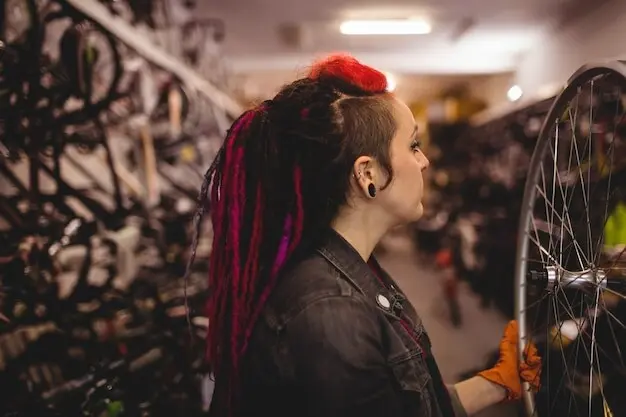
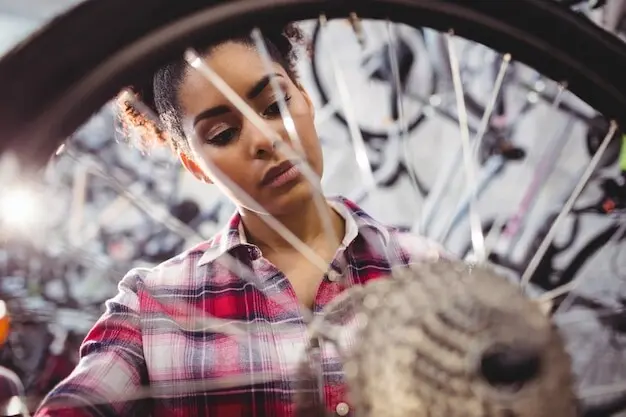
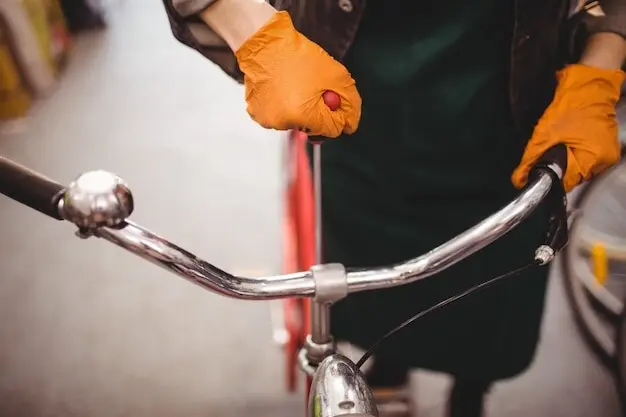
Squeaks, wobbles, and tired brakes meet calm checklists: wheels, chain, pads, cables, and bolt torque. Chairs confess loose joints and benefit from patient gluing and clamping. Oddities—music boxes, skateboards, garden tools—receive thoughtful triage too. Bring any screws that fell out, and photos of the original setup. Expect to learn naming conventions, simple lubrication routines, and inspection habits. You will likely ride or carry home something steadier, and a mind more observant.
Waste avoided, emissions reduced
Affordability and resilience
Start one in your town
Stories from the repair bench
A radio that sang again
A school coat re-stitched
A bicycle that extended horizons
All Rights Reserved.